Creativity Deserves the Same Status as Literacy
“My contention is that creativity now is as important in education as literacy, and we should treat it with the same status.” — Sir Ken Robinson
If you’ve ever watched a child completely absorbed in play, you’ve seen creativity in its purest form. They invent worlds, solve problems on the fly, and express feelings they don’t yet have the words for. Sir Ken Robinson’s famous contention isn’t a “nice-to-have” idea for schools — it’s a practical, urgent reminder: if we treat literacy as essential, we must treat creativity the same way.
Because creativity isn’t just about painting pictures or putting on a show. It’s how children learn to think.
What Ken Robinson really challenged us to rethink
Ken Robinson spent years pointing out a simple truth: many education systems are built to reward one kind of intelligence — the kind that fits neatly into tests, worksheets, and right-or-wrong answers.
But real life doesn’t work like that.
Children will grow into a world that demands adaptability, collaboration, communication, and original thinking. The ability to generate ideas, try things, fail safely, and try again isn’t extra. It’s foundational.
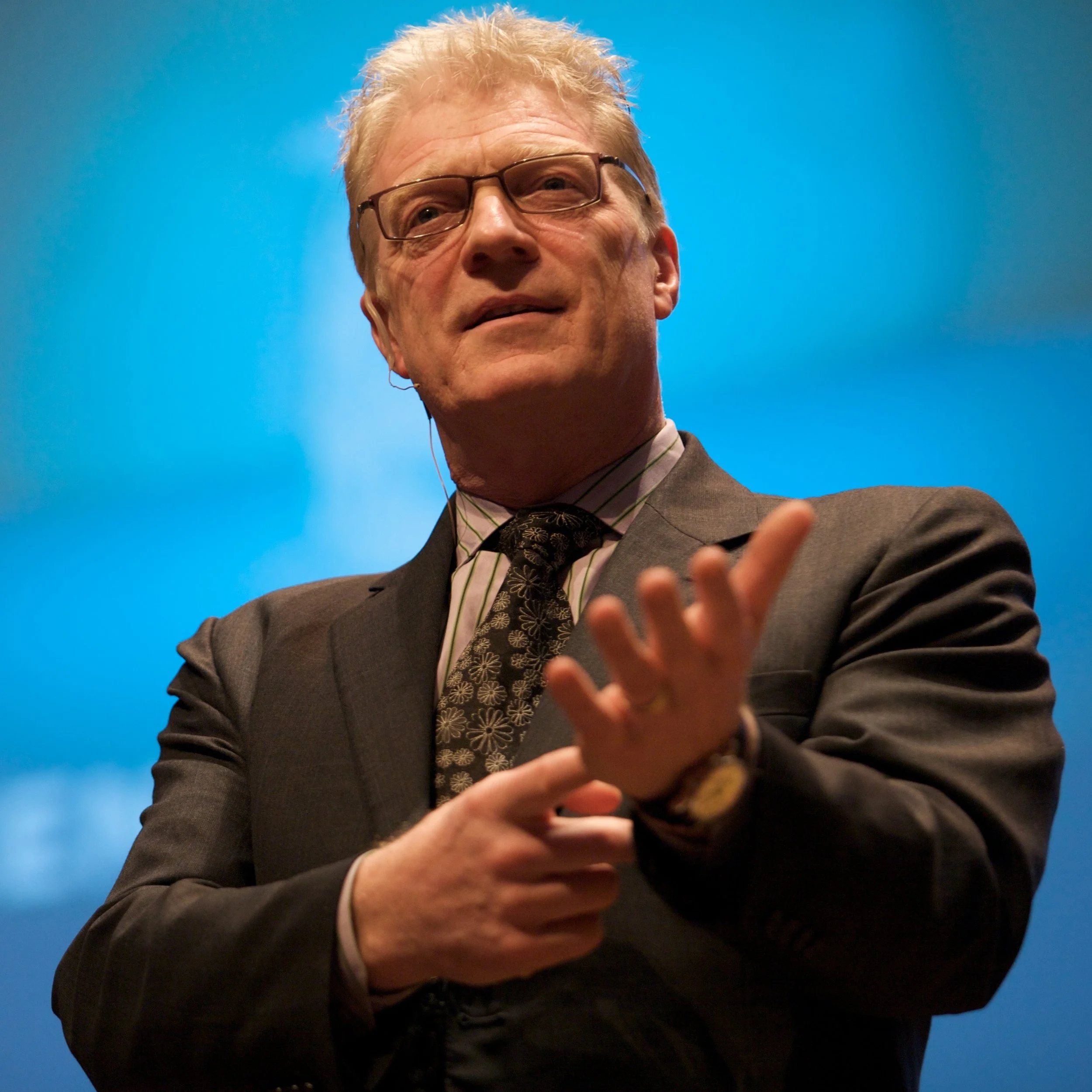
Sir Ken Robinson. https://www.sirkenrobinson.com
Creativity and literacy: why they belong side by side
Literacy helps children interpret the world. Creativity helps them respond to it.
When creativity is treated as “less important,” children can start to believe:
There’s only one correct answer
Mistakes are something to avoid
Their ideas don’t matter unless they’re perfect
Confidence is for “the talented”
But when creativity is given equal status, children learn something powerful:
Their voice matters
Problems can have more than one solution
They can take healthy risks
They can express what’s going on inside
That’s not fluff. That’s resilience.
Why this matters for confidence and mental health
Many parents tell us the same thing in different ways: “My child is bright, but they’re anxious.” Or, “They’re shy — they don’t put themselves forward.”
Creative learning environments give children a safe structure to practise being seen and heard.
In drama, for example, children can explore big feelings through characters and stories. They can rehearse bravery, empathy, and communication — without the pressure of getting it “right.”
That’s one reason we believe drama can be genuinely life-changing: it builds confidence from the inside out.
What it looks like to treat creativity with equal status
Treating creativity like literacy doesn’t mean every child must become an actor, artist, or musician.
It means we give creative thinking the same respect we give reading and writing:
Regular practice (not just an occasional “treat” lesson)
Skilled teaching (not “fill time” activities)
Progress and development (not only performance)
A safe space to experiment (where mistakes are part of learning)
And crucially: it means we stop dividing children into “creative” and “not creative.”
Every child is creative. The real question is whether the environment protects it or pressures it out of them.
How drama supports creative learning (with a sense of fun)
At Up-Stage Theatre Arts, we see creativity as a skill children can build — just like literacy.
That’s why our sessions are designed to be inclusive and confidence-building:
No auditions, no pressure
All abilities welcomed
High-quality theatre training through play, technique, and teamwork
A warm environment where every child matters
Creativity thrives when children feel safe. And when they feel safe, they grow.
A question worth asking
If creativity is as important as literacy, what would change if we treated it that way — at school, at home, and in the clubs our children attend?
Because when we give creativity equal status, we’re not just helping children perform.
We’re helping them become themselves.
Want to see creativity in action?
If your child would benefit from a confidence-boosting, inclusive drama environment, we’d love to welcome them.
Visit https://www.up-stagearts.com to find a session for you